
Building Resilience to Stress at Midlife and Beyond
/
Declining oestrogen levels heighten sensitivity of the HPA axis…
Read MoreDeclining oestrogen levels heighten sensitivity of the HPA axis…
Read MoreI only learned about ADHD when ‘slow processing’ was suggested as the cause of my son’s difficulties at college. I began to look into the condition and grief set in for the child I had been. ‘This is me,’ I realised. ‘This is my life, this is why I struggled so much at school’ - not only with learning because I too had slow processing and an absolutely dreadful memory, but also with poor time keeping and organisation. I failed tests and exams because I would misinterpret the question or fail to memorise the answers. ‘This is why I have failed in education’ - let’s see: I got an E in Art; my only A’ level, I dropped out of fashion design, nutritional therapy and medical herbalism. ‘This is why I have failed careers’ - secretarial work (that was boring anyway), being a chef (way too stressful) and let’s face it, I don’t think you could describe me as a successful Yoga teacher! The list of why’s goes on and on. I am still on a path to learning all I can but I know, despite not yet having a diagnosis, that I have ADHD; I tick ALL the boxes.
The world isn’t set up for people like me. And while I am today, in the mood to laugh at myself, I am often in tears of frustration, low mood paralysed by pracrastination or needing to retreat from the world; I really struggle to be me at times. I mask who I really am much of the time; I’m not even sure who that is; I have so many personality types to suit who I’m with. But I thought that writing about a day in my life (while making myself feel vulnerable), might resonate with some of my readers and encourage others to be more understanding of those who struggle with the condition. I have written this straight from my brain, so it may sound muddled or confusing - that’s just me!
Waking up:
It’s 4, or 5, or 6 a.m. I am nowhere near ready to get out of bed. I am wide awake and yet still really tired. My slightly arthritic back is stiff and I can feel that staying in bed isn’t helping. So I place a pillow between my knees and using Ujjayi breathing, I move my pelvis this way and that until my back eases. Sometimes, this so relaxing that I fall asleep again, especially if I’ve had a bad night.
Getting up:
I go to the bathroom and wash. My husband tries to speak to me but I can neither respond nor speak. He’s trying to discuss politics! I have NO headspace for this. Be quiet! Go away! Leave me in peace. My brain is still so sleepy. There’s no chance of making sensible decisions:
What should I wear?
Should I go outside first (to get daylight into my pineal gland and help reset my circadian rhythm because surely this will help me sleep better? Pah)!
I’ll put my mucky jeans on.
No, I’ll do some Yoga first. I have to teach this morning.
But I haven’t done a workout yet this week. I feel guilty. Maybe I should go to the gym. No, it’s too late for that.
I’ll go for a walk.
I take too long on the walk, getting distracted by the beauty and serenity of nature. I am soothed by it but now I am in a rush.
Breakfast:
Is this a day for coffee? Real coffee or decaffeinated? If I have real coffee, I might stay awake tonight (and get verbal diarrhoea and possibly get hyper too). Decaf. I’m now cooking something when I don’t have the time. I’m eating 30 minutes before teaching. Darn it! I forgot to take my pills. (I am supposed to take digestive enzymes before breakfast). I’ll take them at lunchtime. Crikey, it’s 9.15 and my clients will be here soon.
In the bathroom:
Urgh, I look awful. I want to put makeup on. I do the basics. Hurry up! I need the loo. Hurry up! Your clients are arriving - I can hear the door opening.
Teaching:
I’m in my calm place. I win at this, (unless my sleep has been really bad and then I get my lefts and rights muddled up, or I just can’t find the words). I’ve forgotten that student’s name. She’s been coming for years, what’s her name? I feel ashamed and embarrassed. I have a hot flush. We’re meditating now. My mind’s all over the place. Racing with this thought or that. I want to look at my phone. I mustn’t. We’re meditating for goodness sake. Is everyone okay? No one’s looking troubled. Close my eyes and start again.
Class over:
What’s next? Shopping. Write a list. What do I need? I had loads of things in my head last night. I can’t think right now. Remember that washing that needs doing? Put it on. What was I doing before? Shopping! Where’s my phone? I must have left it upstairs. Nope. Did I go to the loo? No. I just remembered something I needed. Where’s my damn phone? 10 minutes later… it’s on top of the laundry basket! Right, shopping list. What was that thing I needed to put on the list? It’s gone. Let’s check the fridge. I’m staring into space. Completely blank. Suddenly aware that I’ve glazed over. What was I doing? Shopping. Check the cupboards. I’d really like a cup of tea. Kettle’s boiling. Get the shopping bags. Well done. Shall I put the tea in a flask and take it with me? Where’s the flask? I swear I put it away last night. Where is it? Another 10 minutes later… it’s still in my gym bag! I hate shopping. I really don’t feel like going today. Do I have to go? Could I put it off until tomorrow? I’d much rather do something creative. Nah, let’s not go shopping.
Have you noticed that I’ve changed the format? I was using bullet points and now I’m writing long sentences. I could remedy that. The perfectionist in me really wants to but I know it’ll take me ages and for the sake of demonstrating what it’s like to be in my head, I won’t. But it’s really niggling at me. It feels unprofessional.
Lunch time:
What can I make for lunch? Stare into the fridge. No leftovers. Oh, I know, I’ll make… Eating. Damn it! I forgot my digestive enzymes again. Double damn it, these vegetables were meant for supper. What am I going to make for supper now? Ohhh, I should have gone shopping! Now I’m overwhelmed. Exhausted. I’ll just watch an episode of… I’m concerned you’re judging me reader; thinking how lucky I am to have so little to think about or do. Believe me, I don’t feel good about this. I feel embarrassed at how unsuccessful I am, ashamed at how little I earn. I have very little sense of purpose and it gets me down.
Later that day… Bedtime:
I am falling asleep at 9.30. I know to slow down an hour or so before bed. I dim the lights to help my circadian rhythm and I shouldn’t have a screen on. But this show is so good. I’ll just watch another episode. My head is nodding. Brush my teeth. Wash my face. In bed. I’m wide awake now. I’ll try focusing on my breath. Nope, not working. I’ll do a body scan. Focus your attention on your left big toe… zzz. Awake. What time is it? It must be morning, I’m wide awake. It’s midnight. Start again. Listen to a story… zzz. I hear a noise. I’m awake again. I need a pee. It must be morning. It is, it’s 2.30, 3.30 or if I’m lucky 4.30. Listen to a story. It’s not helping. My back’s aching. Toss and turn. 6.30 My husband gets up. It’s too early. I’m so tired. I’m really stiff. I REALLY need a pee. I drag myself out of bed. Don’t speak to me. Arghhh!
At post menopause every symptom of ADHD has been magnified especially Rejection Sensitivity Dysphoria (RSD). The bad day I described above can be a lot worse. I can procrastinate to the point where I achieve absolutely nothing. I comfort eat in the evenings and then feel bad about it because my stomach is bloated. I can be very cruel to myself. I’ve just finished a floristry course (another course? I love a course. I hear the judgement) but I’m holding myself back from setting up in business because I’m scared of rejection. I’m not good enough. I hate getting feedback. I am unable to regulate my emotions especially if I’m triggered by a comment. I explode and cry or I freeze and retreat. I feel ashamed and foolish.
I know I should promote my business on social media. I should share all the knowledge that I can’t remember at this precise moment. But I don’t want to show up. I feel a fraud. But I need to tell people how I can help them. I need to explain why I am the Yoga teacher they should work with. I need them to know that I am the best at what I do, that I will have their back, that I will transform their mental and physical health. But I can’t, I’m no good. Put someone in front of me and I will know precisely what they need; I will give them what they need. But I don’t know what to say in a social post. I can’t think what to say. Which photo would I use? I should sort my photos out. I should stop bloody ‘shoulding’ all over the place! Why is should spelt with an L?
I am frozen. Stuck in a pit of shame and guilt and remorse and grief that I could have done so much better, I could have been so much better if only I’d known about ADHD when I was young. I’m 55. What do I have to show for it? What the hell am I going to do for the rest of my life? How on earth am I going to survive? Who can help me? No one. No one can help you. You haven’t got any friends. Your family don’t care about you. Who would want to bother? You’re too negative, you interrupt all the time, you’re too much. There must be someone I can call on. Who can I call? No one. Feel the shame. Feel the guilt. Feel the remorse. Sit with the grief and the loneliness. Get on your Yoga mat and feel all the horrible, shameful emotions you are going through.
Are you kidding? Why would I want to do that?
Sometimes I really can’t do that. But sometimes I do that. I need to be present. I need to be self compassionate more than anything. And so I breathe. And I move. And I do the strong stuff because it brings me into my body, makes me grounded helps me to feel strong on the outside as well as the inside. Right now, it is hard for me to be introspective which is much better for my brain and nervous system. At the time of writing, my life feels topsy turvey. I have a husband who, two years after a serious motor bike accident, still has broken bones because he too has ADHD (full disclosure, we are both undiagnosed but you know what you know). He uses smoking and sugar to soothe his nervous system. Smoking blocks the bone building receptors and sugar causes inflammation. I don’t understand it. I do, at least, practice self care to a greater degree than it may sound here.
I am furious! I want to not care. But I am caring. I do care. I carry all of his pain, his resistance, his lack of will. I am holding a lot, carrying a lot and all this is not helping my ADHD.
I don’t know if I really want to share this post. I don’t want people to pity me, or reject me for oversharing. I want people to understand. People close to me don’t understand. No one’s ever understood. I don’t even understand! I’m overwhelmed. Exhausted. I might delete the post. I need a rest.
I have been working on this post for 8 days. It took 5 hours to write initially and it has subsequently undergone a number of edits. Such is the life of a woman with ADHD. Sigh. I need to go out in nature now.
If you want to understand more about ADHD; what it is and how it affects various brain structures, read this article.
https://www.birchwoodyoga.co.uk/blog/2026/2/24/adhd-explained
Breath plays a crucial role in maintaining regulation
Read MoreIt’s a cliche but Yoga is a journey; one that has the power to change with you.
Read MoreMindfulness and Yoga have emerged as powerful tools in managing stress, offering a holistic approach to wellbeing that integrates the mind, body, and spirit. At their core, both practices aim to cultivate a state of awareness and presence, allowing individuals to navigate life's challenges with greater ease and resilience.
Mindfulness, a practice rooted in ancient meditation traditions, involves paying attention to our thoughts, emotions, and bodily sensations in a non-judgmental way. By fostering an attitude of curiosity and acceptance, mindfulness helps to interrupt the cycle of stress reactivity. This shift in perspective enables individuals to respond to stressors more thoughtfully rather than reacting impulsively. Regular mindfulness practice has been shown to reduce symptoms of anxiety and depression, improve attention and concentration, and even enhance overall physical health.
Yoga, on the other hand, combines physical postures, breathing exercises and meditation to promote mental and physical wellbeing. The physical practice of Yoga helps to release tension and stress accumulated in the body, while breathing techniques (pranayama) encourage relaxation and mental clarity. The meditative aspects of Yoga support mindfulness, helping practitioners to develop a deeper awareness of their internal states. Together, these elements of Yoga contribute to a reduction in stress levels, improved mood, and a sense of inner peace.
Incorporating mindfulness and Yoga into daily life can offer a sanctuary from the stress of modern living, providing tools that empower you to manage stress proactively. Whether it's through a dedicated class, a few minutes of meditation each day, or simply practicing mindful breathing during a break, these practices invite a return to balance and harmony within ourselves.
Practicing Yoga at a slower pace, with mindful awareness of which attitude we have brought to our practice allows us to pause, assess each moment and cultivate positive habits…
Read MoreI am reminded of the many helpful methods in which we can relinquish the cruel mind:
Read MoreIt’s a cliche but Yoga is a journey; one that has the power to change with you.
Read MoreWith practice and awareness, we can learn to step back and recognise that this is a need that doesn’t serve us and let it go.
Read MoreIf you are finding that you’re forgetting the names of people you know, why you went into a room, what you were talking about mid sentence, if you’re unable to find a word, feeling empty headed or confused, you are not alone. Brain fog effects many women during peri-menopause and menopause but for most, it will pass.
I recently attended an educational workshop on menopause with functional medicine practitioner, Tanya Borowski who is exceptionally knowledgeable. I am also reading a book called Hormone Repair Manual by Lara Briden. These two sources suggest ideas that may help you keep your brain healthy:
Oestrogen therapy. To really benefit, we would be better starting it 5 years before our final period or at menopause at the latest. If the average age of menopause is 51, the best time to start is 46. Neuroscientist Roberta Diaz Brinton suggests in Briden’s book, that taken after menopause, oestrogen therapy may actually contribute to dementia, however more research is needed.
Progesterone is also important for brain health. It supports GABA receptors in the brain. GABA is a mood enhancing neurotransmitter. Together oestrogen and progesterone support many brain functions, including the hippocampus (the memory centre) so it is worth discussing a combination of hormones with your health practitioner when considering HRT.
Diet and lifestyle. Tanya Borowski, says we cannot simply replace hormones without adapting our lifestyle. Both Briden and Borowski recommend that you:
• Reverse insulin resistance (with a Ketone diet).
• Soothe your nervous system.
• Develop healthy sleep habits.
• Minimise alcohol and drink more water.
• Engage in movement of any kind but strength training in particular.
• Take supplements - in particular magnesium and taurine, B12, choline and MCT oil.
The good news from the perspective of Yoga and Mindfulness is that many of the practices we engage in at Birchwood Yoga support brain function. GABA receptors are usually supported by progesterone so when this hormone is lost, we experience raised levels of anxiety and stress. Research by Chris Streeter et al, shows that GABA is released when we practice Yoga. GABA helps promote relaxation and reduces stress, anxiety and even symptoms of PMS according to Lisa Mosconi, author of The XX Brain. Meditation improves brain structure and function and the pace of Slow Mindful Yoga helps build physical strength and mental resilience. In combination with the breathing practices and long savasanas your nervous system gets soothed. Win, win!
Stress comes in many guises so it’s important to understand what might trigger symptoms.
Read MoreIf I could use one word to describe the way I’ve been feeling lately, it would be discombobulated. It’s been two years since we were in full lockdown in the UK. Life has changed for us all and whether we know it or not, it’s affected us on a tissue level. The fear, anxiety and stress went deep because we had to brace ourselves and now we’re living with constant uncertainty from the virus, the economy, the climate and the war in Ukraine.
I didn’t realise until my back went into spasm, just how much I had been holding on; quite literally bracing myself. I leapt from one crisis to another - the pandemic, the death of my father in law, the stress of starting a new course, deadlines and learning difficulties, keeping my business afloat and family issues; it all led to my becoming dissociated from myself.
I had known I needed to put the breaks on. I needed to stop, recentre and ground myself. I needed to feel what was happening on the inside, but my course exams were looming and I kept saying “not yet.” So my body floored me! That’s how it works energetically. “Now you’re listening aren’t you,” it said.
It’s been a humbling experience, not least because I know that what I do (or rather, don’t do) affects others. As Brene Brown would put it, I’ve been doing my best. And as I type this, the little gremlin in the back of my mind just said, “Yes, but your best isn’t good enough is it?” My job now is to silence that gremlin with kindness and self compassion.
The tools I learnt studying Yoga Therapy for the Mind will help me. As I say to my clients who take the De-Stress your Mid-Life course, these tools are life long skills that we will return to over and over again. To be human is to be fallible. But the most important thing is that we learn from our mistakes. And my mistake was not prioritising self care.
So lessons learned are:
Doing your best is good enough.
Taking time every day for self care is not selfish, but invaluable.
Celebrate every success, no matter how small.
Ask for help when you need it.
The boys are capable of looking after themselves, so let them!
I hope in some way, you resonate with some of this and find it useful to hear my story.
Acute stress, chronic stress and burnout are three separate states of stress. It’s important to know what they are so you know how to respond.
Read MoreI was so impressed by the body’s ability to rest when supported in the right way,
Read MoreOne of the best things about Yoga is becoming more self aware. But is it possible to become too self aware? Self awareness can sometimes be perceived as narcissism. I think there are levels of self awareness, with disassociation at one end and narcissism at the other. In the middle is a healthy balance. So how do you get there?
Disassociation is common when you have spent your life trying to avoid painful feelings; likely from a traumatic experience or chronic stress. The brain’s way of protecting you from the pain is to keep the body in freeze mode and prevent you from feeling. To move beyond this may require talking therapy but at some point we need to connect with the physical feelings in the body. The process can be slow and disquieting but with safety measures in place, the end result is knowing yourself, understanding what these feelings mean and being resourced with skills to manage overwhelm and restore homeostasis.
If we navigate this road mindfully, we can find that middle ground. We can recognise what the body and mind require before it becomes overwhelming and if it does (which it will; life has a way of throwing us a curve ball sometimes), we can learn to be with the experience, not to resist it.
We move into narcissism when we over analyse; spend too much time wondering why we experience one feeling or another and endlessly talking about it. It’s a bit like googling every symptom you have and believing you are ill; the modern form of hypochondria and it’s boring for everyone around you. I know, I’ve been there! And you might too if you’ve been mentally unwell. It’s part of the natural process of getting to know yourself again. The important thing is recognising when to back off and return to the middle ground.
The beauty of being self aware is in the wisdom of the body. When you stay present to your experience, the body will guide you. When I get on my mat, I let my body and my energy guide me to where it needs to go. With support, time and practice, you can too. It’s an amazing place to be and very rewarding too!
Warning, this article may be triggering if you have suffered a sexual assault.
Read More…it’s the measure of the variation in time between heartbeats.
Read MoreNature has the ability to restore connection and balance of mind…
Read MoreI urge you to ponder what self care means to your future.
Read MoreFind out more about the De-stress Your Mid-life course.
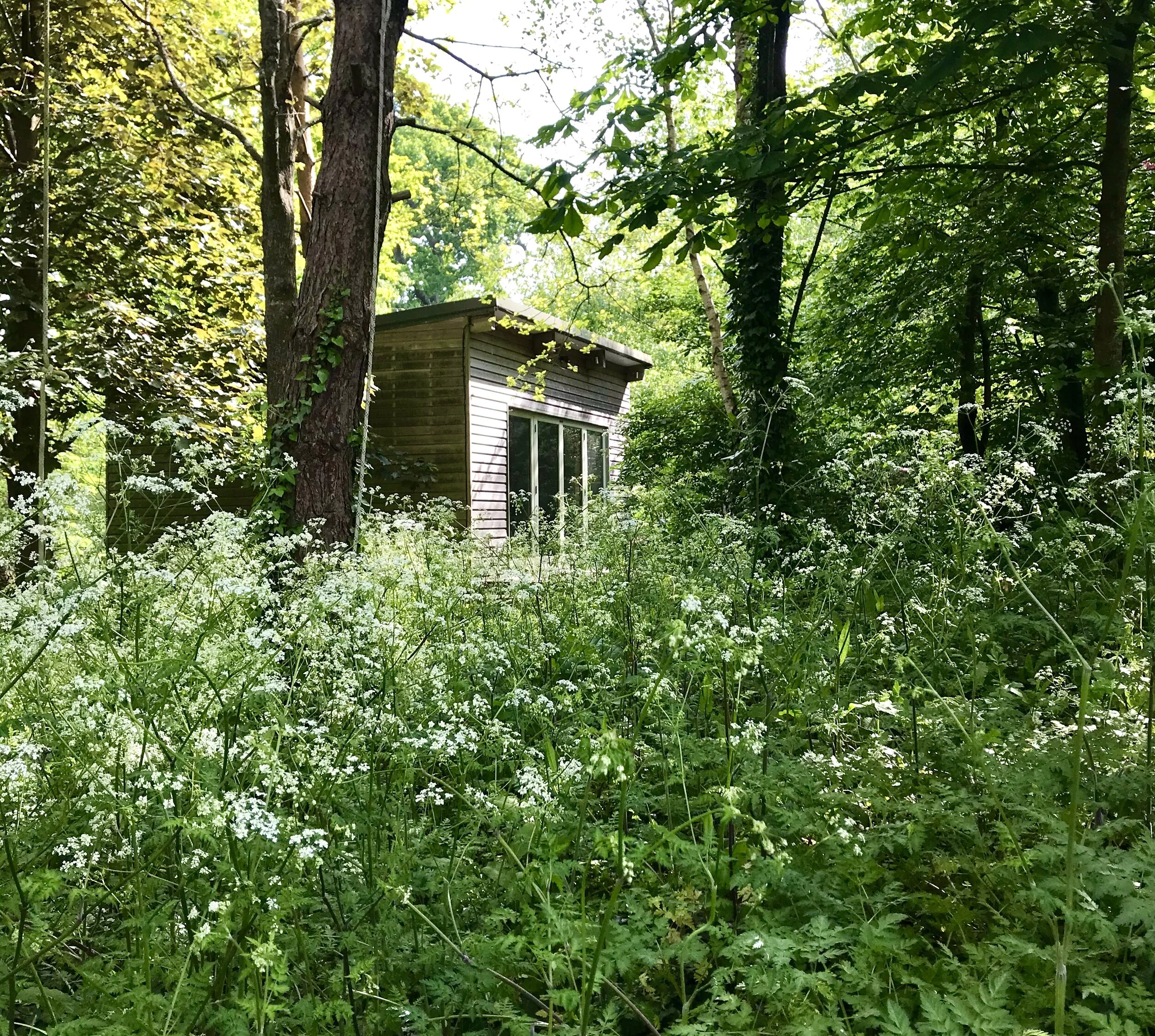
Yoga classes, courses and workshops led by qualified yoga teacher Anneliese Wells. Taught in a beautiful, rural, private studio in Barcombe, East Sussex.